



The launch of Valheim 1.0 brought multiple new features to the already stacked game. One of the most important additions came in the form of new enemies, biomes, and bosses. It makes sense that the newer locations are much more dangerous, which could push Valheim players to want to start making mead.
Treated as this game’s version of a potion, there are all sorts of meads that players can brew. However, getting the proper requirements and actually learning how to use the Mead Ketill could be a little tough to learn, especially if you haven’t played similar survival games in the past.
Getting the Proper Requirements Before Brewing Mead in Valheim
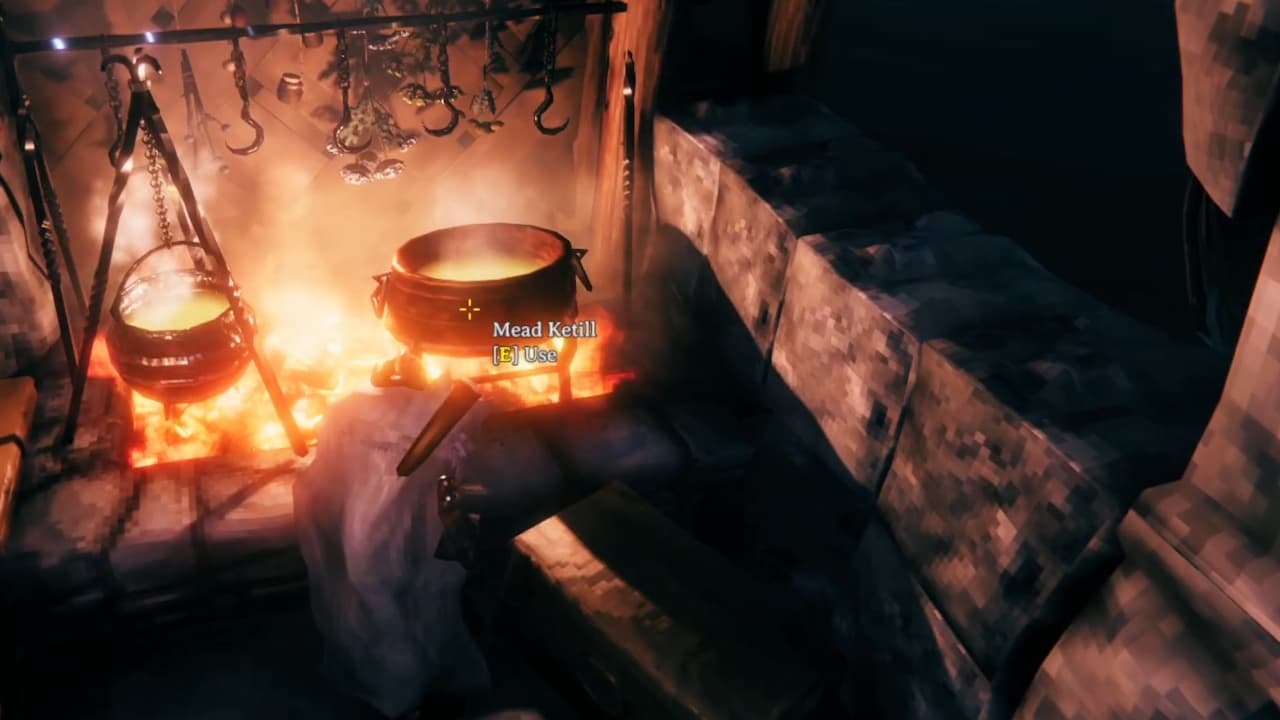
Creating mead in Valheim needs two stations. Since the Bog Witch update, all mead recipes moved to the Mead Ketill, which players can build at a Forge using 4 Tin, 6 Copper, and 2 Leather Scraps, and every recipe is available at station level 1 since it has no upgrades. Players need to put a lit, fueled Campfire or Hearth underneath the Ketill.
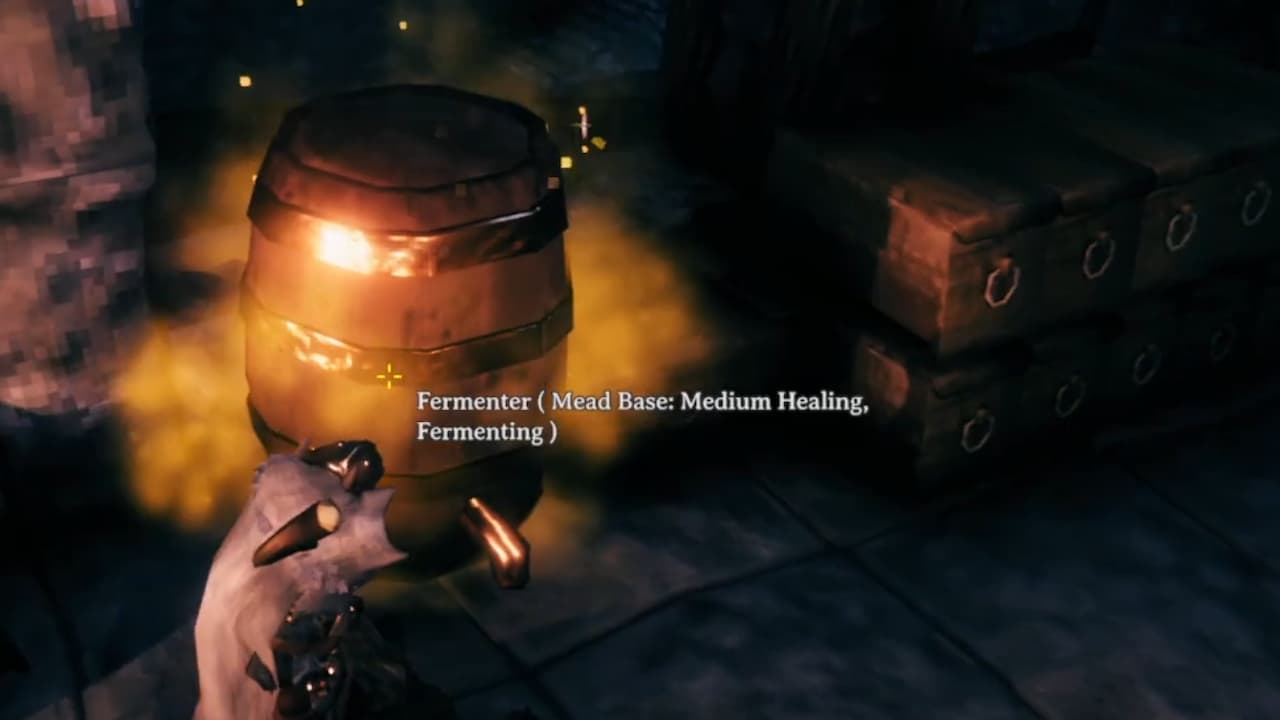
Players must move their created base to a Fermenter, which is built at a Forge using 30 Fine Wood, 5 Bronze, and 10 Resin. This station doesn’t need fire, but it needs a roof and cover from rain and wind, and it holds one base at a time. One Ketill craft makes one base, and one base in a Fermenter makes around six finished meads for almost every recipe.
Tankards and the Horn of Celebration are optional, since players can drink Meads directly from the inventory. Love Potions aren’t part of this system because players must buy them for 110 Coins for five and can’t brew them.
How to Run a Batch From Base to Bottle in Valheim
Every batch has the same steps:
- Craft one base at the Mead Ketill, with all ingredients ready.
- Load that base into an empty Fermenter.
- Wait two in-game days.
- Return to the Fermenter and collect the match manually once the cycle finishes.
- Store the results before starting the next load, since most batches produce six meads that stack to 10, while Berserkir makes three meads
Fermenters track world time even when their zone is inactive, so a batch that started before the player goes on a multi-day journey will usually be ready when they’re back. This only applies if a world is running, and won’t count if it’s shut down.
Picking a Mead Recipe Without Wasting a Cooldown
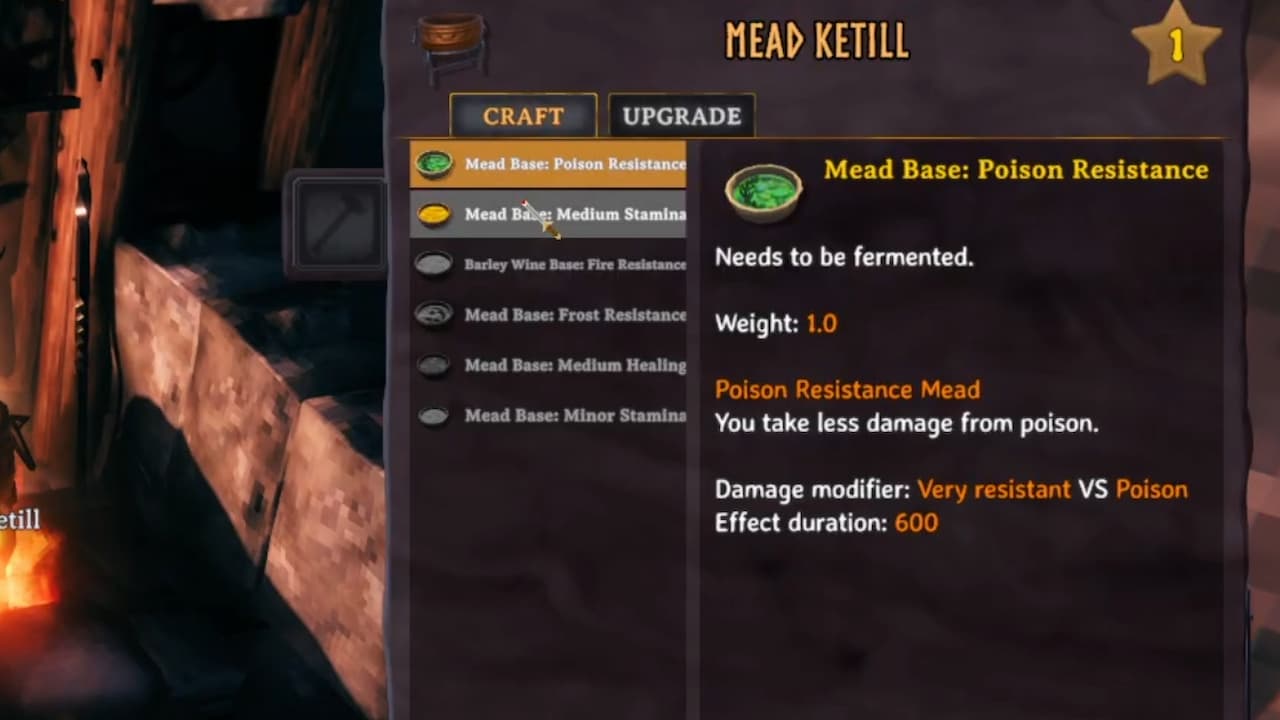
Players can’t use every mead freely one after another. Healing meads share one cooldown lane, so Minor, Medium, Major, and Lingering Healing Mead all block each other. The best move is to pick the strongest healing option affordable instead of stocking multiple types.
Stamina and Eitr meads work similarly. Minor and Medium Stamina give players a large amount of stamina over a small time, while Lingering gives regeneration over time, but all three use one lane. Eitr meads also share one cooldown. Resistance meads are the most different, with separate 10-minute cooldowns. Utility meads like Anti-Sting Concoction, Brew of Animal Whispers, Lightfoot Mead, Tonic of Ratatosk, and Draught of Vananidir have no cooldown and only need the proper ingredients.
Setting up a Brewing Space in Valheim
A good layout ensures the Ketill gets its fire needs and the Fermenter has enough cover. A Campfire or Hearth needs to be under the Ketill, with Fermenters nearby under one roof. The fire needs to stay lit and fueled, and needs to be protected from strong winds and rain, so players shouldn’t leave it exposed.
Smoke is an issue as well. An enclosed Campfire generates a lot of smoke in the room, so a vent or chimney above it is important. Fermenter cover is calculated from 17 rays around the structure, and walls, floor, and roof spacing can interfere with that number, so blocking at least 12 out of 17 is a good idea.
Why Can’t I Brew Mead in Valheim?
If the Mead Ketill doesn’t work, the first thing Valheim players should check is whether the fire is unlit. If that isn’t the issue, then players should check the following things:
- Check whether the base was loaded and whether enough time has passed for the two-day cycle.
- Check for a roof and cover, since just a roof isn’t enough for the Fermenter.
- Look for open walls, bad roof spacing, or nearby terrain that’s interfering with the cover.
- Try a different layout or a tighter area if there is any exposure.
- Avoid destroying the Fermenter while it holds a base or finished mead. Doing that will destroy the brew’s progress.


