


Modern blockbusters on PlayStation 5 have evolved far beyond straightforward linear missions, relying heavily on complex side activities to deepen immersion and world-building. Among the vast array of distraction systems available to players, casino mechanics and risk-based mini-games consistently stand out as the most engaging secondary loops. Developers use traditional card games, dynamic dice mechanics, and high-stakes wheel spins to break up heavy narrative pacing while granting players an avenue to accumulate in-game currency. Whether integrated into gritty crime syndicates, western wilderness saloons, or futuristic neon paradises, gambling mechanics leverage psychological reward loops that keep players invested for hours on end.
The inclusion of these chance-based systems relies on a sophisticated balance of probability, player agency, and atmospheric design. Rather than acting as mere novelties, modern PS5 titles weave these games into character progression, trophy collection, and underlying narrative progression. Players are often forced to weigh calculated risk against potential reward, mirroring real-world gaming environments within completely virtual sandbox structures. As visual fidelity reaches photorealistic levels on current-generation hardware, sitting down at a virtual card table or pulling a slot lever delivers an authentic sense of tension that rivals standalone gaming platforms.
Beyond standard console titles, the broader digital entertainment market relies on identical mechanics of risk, anticipation, and dynamic rewards. As players get a taste for high-stakes decision-making through console mini-games, many explore real-world digital leisure options to experience that same competitive thrill with tangible stakes. Enthusiasts seeking dedicated gaming platforms often look for introductory offers such as a casino bonus to maximize their playing time across digital table games, interactive slot variants, and live dealer channels. This natural overlap demonstrates how game design principles—whether in single-player console adventures or standalone online entertainment hubs—utilize universal mechanics of chance and skill to capture player attention across mediums.
The Diamond Casino in Grand Theft Auto V and Grand Theft Auto Online
The Diamond Casino & Resort in Grand Theft Auto V (enhanced natively for PlayStation 5) represents one of the most comprehensive virtual gambling ecosystem ever integrated into a open-world console game. Operating as a fully functional social hub, players can walk onto a bustling casino floor to play high-stakes Three Card Poker, Blackjack, Roulette, and custom slot machines. The centerpiece of the floor, the Lucky Wheel, gives players a daily chance to win GTA$, exclusive clothing, or high-end podium supercars, creating a persistent daily login incentive built entirely around chance.
What elevates the PS5 version of The Diamond Casino is its structural integration into the wider economy of San Andreas. Players can purchase luxury penthouses atop the resort, unlocking high-limit private tables where bets run into hundreds of thousands of in-game dollars. Furthermore, the entire location serves a dual purpose as both a recreational money sink and the target of the complex Diamond Casino Heist. By blending genuine table game rules with open-world criminal operations, Rockstar Games crafted a gameplay loop that makes every chip placed feel directly tied to player progression and prestige.
High-Stakes Poker and Table Games in Red Dead Redemption 2
While originally launching on previous-generation hardware, Red Dead Redemption 2 remains a definitive visual and mechanical showcase on PS5, featuring some of the most atmospheric poker and blackjack implementations in gaming history. Set across saloons in Valentine, Saint Denis, and Blackwater, players can sit down at wooden tables to play realistic Texas Hold ‘Em against AI opponents equipped with distinct behavioral tells and bluffing patterns. The ambient noise of piano ragtime, clinking glasses, and dynamic lighting enhances every hand dealt, making a simple game of cards feel like a central cinematic scene.
The mechanics of poker in Red Dead Redemption 2 demand genuine understanding of pot odds, position, and psychological intimidation. Players can read the body language of rival gamblers, spot subtle hesitations before a raise, or attempt aggressive bluffs to force opponents into folding superior hands. Furthermore, specific gameplay challenges and story missions force players to master these mini-games to achieve 100% completion, proving that classical card games can serve as vital pillars of open-world immersion.
- Authentic Texas Hold ‘Em Logic: Full implementation of official betting rounds, side pots, dynamic pot odds calculations, and artificial intelligence that models realistic risk tolerance.
- Contextual Saloon Environments: Unique table atmospheres ranging from low-stakes, muddy saloons in Valentine to high-roller, tuxedo-required parlors aboard Saint Denis riverboats.
- Behavioral AI Tells: Computer-controlled opponents display physical hesitations, glances, and betting patterns that reveal the strength or weakness of their hands.
- Integrated Gambler Challenges: A dedicated in-game progression line requiring players to win consecutive hands, bust opponents, and execute specific strategic bets across multiple locations.
Marcus Vance, a lead game designer and interactive systems analyst, emphasizes the psychological power of these side activities: “Integrating authentic casino mechanics into narrative-driven PS5 titles serves a vital structural purpose. It breaks up intense action sequences and grounds the player in the world’s social reality. When a player sits down at a poker table in a virtual saloon or visits a neon casino floor, the rules shift from reflex-based combat to cognitive risk assessment. That contrast refreshes the player’s focus and builds a far deeper emotional connection to the virtual environment.”
Traditional Japanese Gambling and Modern Casinos in Like a Dragon Games
SEGA’s Like a Dragon series (formerly Yakuza) has long been celebrated for its absurd variety of side content, with casino floors and underground gambling dens standing as core franchise staples. On PlayStation 5, titles like Like a Dragon: Infinite Wealth and Like a Dragon Gaiden feature fully rendered casinos offering Western classics like Blackjack, Baccarat, and Poker alongside traditional Japanese games like Oicho-Kabu and Koi-Koi. These mini-games are constructed with absolute mechanical fidelity, complete with custom animations, regional rulesets, and dedicated high-roller rooms.
Beyond standard card tables, the series utilizes gambling mechanics as major financial levers within its RPG progression systems. Winning chips can be exchanged for rare weapons, crafting materials, and high-value items that directly boost player combat stats. By turning mini-game earnings into essential character upgrades, the developers transform what could be an optional side distraction into a highly rewarding strategic tool for players looking to gain an edge in combat.
Card Combat as a High-Stakes Gambling Engine in The Witcher 3 and Final Fantasy VII Rebirth
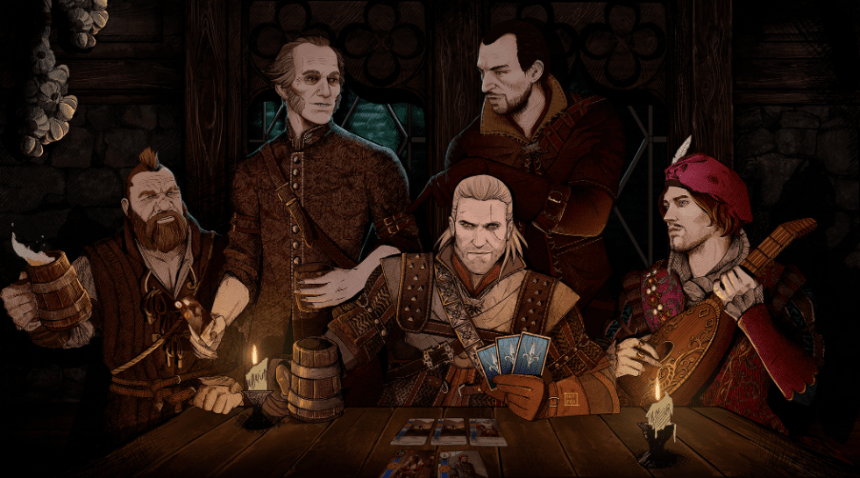
In addition to traditional casino table games, modern PS5 hits frequently design proprietary card games that mirror the risk-and-reward mechanics of high-level poker. The Witcher 3: Wild Hunt features Gwent, a deeply tactical two-player card game where players act as generals managing armies. The core mechanic relies heavily on bluffing, sacrifice, and resource management; players must decide when to concede a round to preserve card advantage for subsequent turns, echoing the exact psychological strategies found in professional poker.
Similarly, Final Fantasy VII Rebirth introduced Queen’s Blood, a grid-based card mini-game that took the PS5 community by storm. Featuring strategic board placement, lane control, and chip-stacking mechanics, Queen’s Blood forces players to wager cards and control territory under tight tactical constraints. Both games demonstrate that custom-built mini-games can capture the thrilling tension of casino mechanics while offering unique fantasy lore and deep tactical strategy.
- Bluffing and Concession Tactics: Games like Gwent force players to intentionally surrender early rounds to bleed opponent resources, utilizing classic poker bluffing techniques.
- Deck Construction and Wagering: Collecting rare cards throughout the game world directly increases betting power and tactical versatility against high-stakes NPC opponents.
- Dynamic Territory Control: Mechanics in Queen’s Blood require calculated spatial risk, where aggressive tile placement can steal points from opponents in a single turn.
- Narrative-Driven Tournaments: High-stakes card competitions integrated into main story arcs, offering exclusive rewards and unique dialogue outcomes.
Frequently Asked Questions
Why do open-world games on PS5 include casino mini-games?
Developers include casino mini-games to break up long combat sequences, deepen world-building, and provide players with immersive ways to earn in-game currency while testing strategic skills.
Can players win real money playing casino mini-games in PlayStation 5 titles?
No, casino mini-games in standard PS5 titles use virtual in-game currency that cannot be converted into real-world money. They function strictly as gameplay mechanics for progression, items, and entertainment.
Which PS5 game offers the most realistic poker experience?
Red Dead Redemption 2 and Grand Theft Auto V offer exceptionally detailed Texas Hold ‘Em and Three Card Poker implementations, featuring authentic rules, opponent AI tells, and atmospheric table settings.
How do custom card mini-games like Gwent reflect real-world gambling logic?
Custom card games rely on core gambling concepts like bluffing, resource allocation, calculated risk taking, and reading opponent strategy to win rounds, mirroring the mental skills required in real-world table games.


