
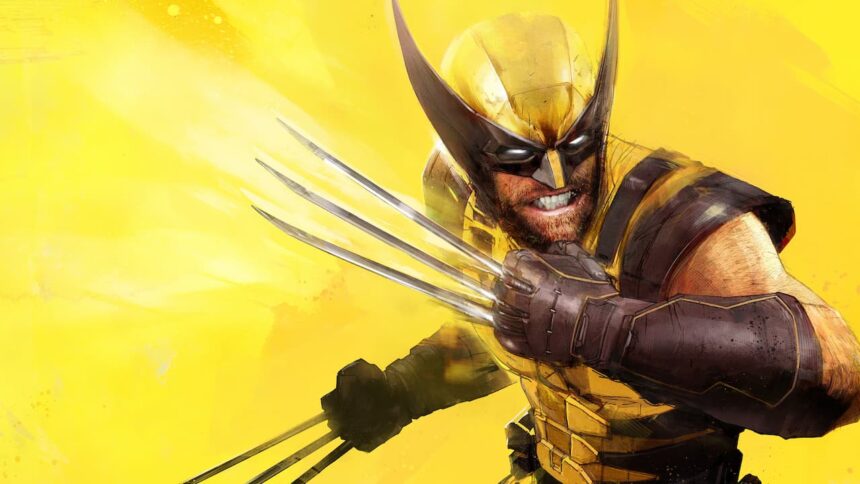
Autumn has turned into the busiest stretch of the console calendar, with several of the biggest names in gaming lining up new releases within weeks of each other. For PS5 owners specifically, the season carries extra weight this year. Sony’s first-party slate has quietly become the deciding factor in whether a household buys a PlayStation over anything else, and few upcoming titles carry more weight in that argument than Marvel’s Wolverine.
What Makes Marvel’s Wolverine a Genuine PS5 Exclusive?
Wolverine earns that status through more than a marketing label. Insomniac Games built its reputation on the two Spider-Man titles, and its take on Wolverine is shaping up as a harder-edged follow-up: a mature, character-driven story built specifically around what PS5 hardware can do, rather than the lowest common denominator across platforms. Sony has confirmed the game sits on a short list, alongside Gran Turismo 7, Astro Bot and Ghost of Yotei, that will stay console exclusive rather than following the PC release path several older PlayStation games have taken.
That decision matters more than it looks. Giving people a reason to stay on one platform rather than drift to whichever service has the cheapest version is not a habit unique to consoles. The same competition for evening attention plays out across online entertainment more broadly, including online casino and betting platforms that increasingly lean on their own exclusive content to hold onto players. Sites like andromedasino have followed a comparable approach, building out distinct slots libraries and loyalty perks so visitors have a reason to keep returning to one destination rather than treating every online casino as interchangeable. It’s the same instinct Sony is banking on with Wolverine, just applied to a different screen.
Why Did Sony Pull Back From Its Multiplatform PC Push?
Sony spent the past few years steadily bringing older PS5 exclusives to PC, from God of War to Horizon, chasing extra revenue from a platform its own console competes with. That messaging has quietly disappeared from the company’s recent materials. Reporting this year points to a strategic reset: with PlayStation 6 development requiring serious investment, Sony appears to be leaning back on exclusivity to protect hardware sales and subscription revenue rather than maximising software reach on every screen.
The shift doesn’t apply evenly across the lineup. Live-service and multiplayer projects, such as Bungie’s Marathon, are still built for PC and console together, since those titles depend on the largest possible player base to function at all. It’s the single-player, narrative-driven exclusives, the kind Wolverine belongs to, where Sony now seems most protective. Those are the games that sell consoles in the first place, not the ones people expect to find everywhere.
Does Console Exclusivity Still Sell Hardware?
Yes, and Sony’s own results back it up. Sceptics have argued for years that exclusivity is an outdated strategy in a market where PC gaming keeps growing and subscription services blur the lines between platforms anyway. Astro Bot became one of the most decorated PlayStation games in years without ever appearing on a rival platform, and Ghost of Yotei drove console sales spikes in its opening weeks that PC ports rarely produce for older catalogue titles.
Wolverine is being built with exactly that pressure in mind. Insomniac has the benefit of watching how Spider-Man 2 performed as a pure PS5 title, and every signal from Sony points to Wolverine following the same playbook rather than hedging toward a simultaneous PC release later on.
How Are Other Attention Economies Borrowing the Same Playbook?
Sony has been unusually direct about the reasoning behind this. Company messaging described its exclusives as delivering moments that, in Sony’s own words, don’t happen anywhere else, framing exclusivity as the product itself rather than a limitation, according to Push Square. That framing will sound familiar to anyone who follows online casino platforms, where operators compete less on stocking every game in existence and more on offering a library, a loyalty ladder, or a live dealer experience a rival site simply can’t match.
The parallel goes further than marketing language. Betting platforms increasingly badge certain sportsbook markets or slots titles as timed or site-exclusive releases, borrowing the same scarcity logic that keeps PS5 owners loyal to their console. Mobile-first casino apps have leaned into this hardest, since a phone screen has even less room than a living room TV for players to juggle five different services at once. Exclusivity has become as much a retention tool for online casino brands as it is for console makers.
What Does the Data Say About Where Attention Is Heading?
The numbers back up the trend. The UK online gambling market was valued at roughly $9 billion in 2025 and is projected to keep expanding through the next decade, according to IMARC Group. Slots and other casino-style games make up a substantial share of that growth, alongside sports betting, as more of that spending shifts onto phones and tablets rather than desktop sites.
It mirrors what’s happening in console gaming: audiences aren’t necessarily spending more time on entertainment overall, they’re concentrating that time on fewer, more distinctive platforms. That’s ultimately the bet Sony is making with Wolverine. Rather than chasing every possible buyer across every platform, the PS5’s most important exclusives are being positioned as the reason to own the console at all, not an optional bonus alongside a PC version. Whether that pays off becomes clear once Wolverine actually lands, but the broader pattern, in gaming and in the online entertainment platforms competing for the same evenings, points the same way: distinctiveness is what keeps an audience from wandering off.