

The FIFA World Cup has never been limited to the matches themselves, yet the build-up to the 2026 World Cup shows how much fan engagement has changed. Supporters now follow the tournament through far more than television broadcasts and match reports. Social media, streaming platforms, interactive content, and video games all play a role in how people connect with football before a ball is even kicked.
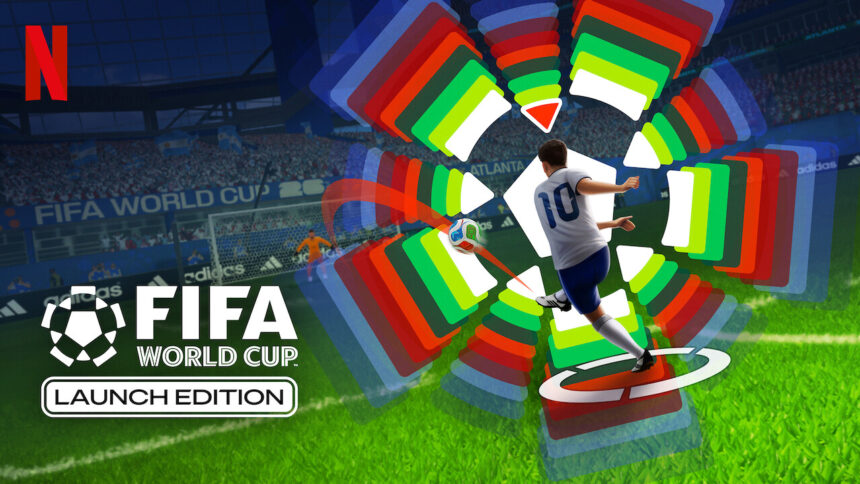
That trend received another boost when FIFA and Netflix Games released FIFA World Cup: Launch Edition. The title launched alongside the tournament and gives supporters a way to follow the competition through a football game that features all 48 participating nations, the 16 host stadiums, and more than 1,200 players.
The release reflects a wider shift in football media. Fans no longer wait for matchday to engage with the sport. They take part in football-related activities throughout the tournament cycle, which keeps the 2026 World Cup in focus long after the final whistle of each match.
Image source: Pexels.com
How Does the 2026 World Cup Stay Part of Daily Fan Activity?
A World Cup match still sits at the center of the tournament, but fan attention no longer begins at kick-off and ends at the final whistle. The 2026 World Cup follows supporters throughout the day through a mix of media, online discussion, and interactive content.
FIFA’s launch of FIFA World Cup: Launch Edition through Netflix Games reflects that change. The game gives supporters access to all 48 participating nations, more than 1,200 players, and the 16 tournament stadiums. Instead of waiting for the next fixture, fans can continue to engage with teams and players through a format that is directly tied to the competition.
The same pattern appears across football media. Supporters follow the 2026 World Cup through dedicated television coverage on broadcasters such as BBC, ITV, FOX Sports, TSN, TelevisaUnivision, and other regional rights holders.
Games, streaming platforms, and football media all contribute to a cycle that keeps supporters connected to the tournament from one matchday to the next.
What Other Platforms Extend Interest in the 2026 World Cup?
Television broadcasts, football websites, and social media remain major parts of the World Cup conversation. Yet many supporters now engage with the tournament through activities that go beyond watching matches or reading analysis. Interactive content has become a larger part of how people follow football, especially during major international competitions that run for several weeks.
This shift can be seen across prediction games, fantasy football platforms, statistics tools, and betting services that allow users to track teams, players, and match developments in real time. These activities often continue between fixtures and provide another way for supporters to follow the tournament as storylines develop.
Betting platforms are another example of how fan engagement has expanded beyond live broadcasts. Many now combine match markets with statistics hubs, prediction tools, and football-themed content that keeps users engaged between fixtures. On platforms such as 247bet, users can access football-themed casino games alongside betting opportunities linked to World Cup fixtures.
These football-focused products sit alongside tournament odds, match forecasts, and other betting markets connected to the competition.
Why Has FIFA Expanded Beyond Traditional Match Coverage?
Football audiences consume content in more ways than ever before. A tournament as large as the 2026 World Cup now competes for attention across streaming services, social platforms, gaming ecosystems, and mobile devices. FIFA has responded by extending its reach beyond live broadcasts and official highlights.
The release of FIFA World Cup: Launch Edition fits into that approach. Available through Netflix Games, the title allows users to select any of the 48 qualified nations and play through tournament scenarios on a television while using a mobile phone as a controller. The game supports up to four participants and focuses on quick access rather than complex controls.
This strategy helps FIFA maintain visibility during periods when matches are not taking place. Supporters can follow news, watch football content, discuss results online, and interact with the tournament through gaming platforms. As media habits continue to change, football organizations increasingly seek ways to remain part of daily conversations rather than relying only on match broadcasts.
What Does FIFA World Cup: Launch Edition Add to the Tournament?
The new title focuses on accessibility and ease of use. Players can launch the game through Netflix Games and connect a mobile device to a television without dedicated gaming hardware. FIFA’s goal appears to be broad participation rather than a detailed football simulation.
The game includes all 48 participating nations and recreates the 16 stadiums used during the tournament. Users can guide teams from the opening stages through to the final while taking part in match scenarios and penalty shootouts.
For FIFA, the release serves as another way to keep supporters connected to the tournament. It creates an additional touchpoint that complements broadcasts, highlights, interviews, and social media discussions throughout the competition.
What Have Been the Most Popular World Cup Video Games?
Football games tied to the FIFA World Cup are not new. For decades, tournament-themed releases have given supporters a way to recreate famous moments, play through official competitions, and control their national teams outside matchdays.
While FIFA World Cup: Launch Edition introduces a simpler format built around Netflix Games, previous releases often focused on deeper tournament simulations and licensed content:
| Game Title | Release Year | Key Features |
| World Cup USA ’94 | 1994 | Featured all qualified teams from the tournament hosted in the United States. |
| 1998 FIFA World Cup | 1998 | Introduced improved graphics, licensed teams, and a more detailed tournament mode. |
| 2002 FIFA World Cup | 2002 | Included all 32 qualified nations and the official tournament presentation from Korea and Japan. |
| 2006 FIFA World Cup Germany | 2006 | Featured all 127 nations that took part in the qualification, not just the finalists. |
| 2014 FIFA World Cup Brazil | 2014 | Expanded national team options and included detailed recreations of tournament venues. |
The latest release differs from many earlier titles because accessibility sits at the center of its design. Rather than targeting traditional console players, FIFA and Netflix Games have focused on quick access through connected televisions and mobile devices.
Sports betting and gambling services are subject to local laws and regulations. World Cup matches often produce unexpected results, and betting markets can change quickly as new information emerges throughout the tournament.


