


The gaming industry has always embraced new technology, from arcade machines and home consoles to powerful gaming PCs and mobile devices. Today, another major innovation is changing how people play games: cloud gaming. Instead of downloading or installing large game files, cloud gaming allows players to stream games directly over the internet. As internet speeds continue to improve, this technology is becoming more accessible and has the potential to reshape the future of gaming.
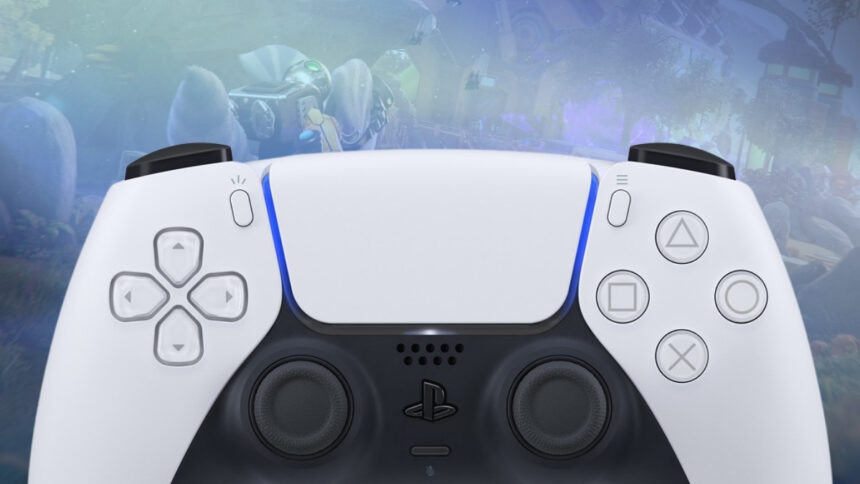
Cloud gaming works by running games on powerful remote servers instead of the player’s local device. The game’s graphics and processing take place in a data center, while the video is streamed to the user’s screen in real time. The player’s controller or keyboard inputs are sent back to the server, creating an interactive gaming experience that feels similar to playing on a traditional console or computer.
One of the biggest advantages of cloud gaming is that it reduces the need for expensive hardware. High-performance gaming PCs and the latest consoles can be costly Nintendo gift card UK , making them difficult for some players to afford. With cloud gaming, many modern games can be played on devices such as laptops, tablets, smartphones, or smart TVs, provided there is a stable internet connection. This makes gaming more accessible to a wider audience.
Another important benefit is the elimination of lengthy downloads and installations. Modern video games often require dozens or even hundreds of gigabytes of storage space. Downloading these files can take hours, especially on slower internet connections. Cloud gaming removes this inconvenience because games are already installed on remote servers. Players can launch a game within minutes without worrying about available storage space.
Cloud gaming also offers greater flexibility. Since game progress is often linked to a user’s online account, players can continue their adventures across multiple devices. For example, someone might begin playing on a desktop computer at home and later continue the same game on a tablet while traveling. This seamless experience gives gamers more freedom to play whenever and wherever it is convenient.
Another advantage is automatic updates and maintenance. Traditional games require players to install software patches, security updates, and performance improvements. With cloud gaming, these updates are managed by the service provider. Players always access the latest version of a game without waiting for downloads or manually updating software.
Game developers also benefit from cloud technology. Because games are hosted on centralized servers, developers can deliver updates more efficiently and maintain consistent performance across different devices. This simplifies technical support and allows studios to focus more on creating engaging content rather than optimizing games for countless hardware configurations.
Cloud gaming may also reduce digital storage concerns. Many gamers struggle to manage limited storage space on their consoles or computers, often deleting older games to make room for new releases. Since cloud-based games run remotely, users no longer need to dedicate large amounts of local storage to their gaming libraries. This makes switching between games much easier.
Social gaming features are expected to become even stronger as cloud technology develops. Friends may be able to instantly join multiplayer sessions through shared links or invitations without downloading large files first. Faster access to multiplayer games can help build larger gaming communities and improve the overall online experience.
Despite its many advantages, cloud gaming still faces several challenges. A reliable, high-speed internet connection is essential for smooth gameplay. Slow networks or unstable connections may result in input delays, lower image quality, or interruptions during gameplay. As internet infrastructure improves worldwide, these limitations are expected to become less significant.
Another consideration is data usage. Streaming high-quality games requires a steady flow of internet data, which may affect players with limited broadband plans. As internet providers continue expanding faster and more affordable services, cloud gaming is likely to become a practical option for even more users.
The future of cloud gaming appears very promising. Advances in 5G networks, fiber-optic internet, and server technology will continue improving streaming quality and reducing latency. Artificial intelligence may also help optimize performance by predicting player inputs and adjusting network resources more efficiently.
As technology continues to evolve, cloud gaming is expected to become an important part of the gaming ecosystem rather than replacing traditional gaming entirely. Many players will continue enjoying powerful gaming consoles and PCs, while others will appreciate the convenience and accessibility offered by cloud-based services.
In conclusion, cloud gaming represents one of the most exciting innovations in the modern gaming industry. By making high-quality games more accessible, reducing hardware requirements, eliminating long downloads, and offering greater flexibility, cloud gaming is opening new possibilities for players around the world. As internet technology continues to advance, streaming services will likely play a major role in the future of interactive entertainment.


