


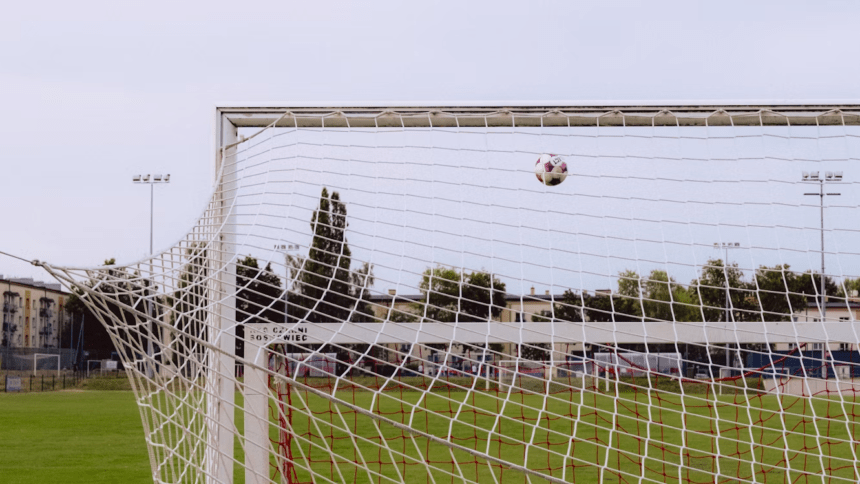
Football games now offer much more than just a final score; menus and summaries transform each fixture into an interactive record, allowing fans to engage with detailed attributes and movement maps. This shift in tactical football games makes players read shape, movement and positioning in greater detail.
How Football Data Travels Beyond the Console
The console format has trained audiences to expect information to be organised quickly and clearly. During a live match, that expectation appears in the appetite for timelines, team sheets and visual summaries. Platforms such as betting sites can appear within that wider online information landscape.
Useful details extend beyond just who scored; they encompass changing pressure, possession, and rhythm throughout the game. A good second-screen experience respects the primary match, providing supporting context without competing with every passage of play.
Tactical Dashboards Change the Conversation
Tactical dashboards make broad ideas visible by highlighting passing networks and touch points, which can gradually reveal the shape of play. These visuals are most effective when accompanied by careful language; for instance, a crowded zone might indicate intent, but it cannot, on its own, explain a coach’s instruction or a player’s physical condition.
In a game, the formation is often presented as a stable starting arrangement. However, real football demonstrates how quickly this setup can evolve into a dynamic set of relationships between teammates, making the concept of shape an especially useful discussion point. Fans can observe changes such as a wide player moving inside, a full-back advancing, or a midfield line altering its spacing, all of which reflect the fluid nature of the game.
From Ratings to Match Stories
Match ratings are familiar because they simplify complex performances into a quick reference point, making it easier to discuss a player’s influence on the game. Although a number can’t capture every recovery run, misplaced pass, or tough assignment, it provides a starting point for conversation.
In match analysis, ratings sit alongside objectives and feedback, helping to create a clear overview of contribution. While real games are inherently messier, fans often seek an accessible way to gauge who had the greatest impact on the contest. Ratings are most useful as an initial guide, highlighting areas such as distribution, positioning, or off-the-ball work, rather than serving as ultimate judgment.
Small Details Create Better Viewing Habits
Second-screen tools are most effective when they respond directly to a question raised by the action on the pitch. For example, if a viewer notices repeated attacks down one flank, they might consult a map or sequence that confirms the pattern, helping to connect information directly to what is observed.
This approach prevents the match from devolving into an endless stream of disconnected numbers and labels. Instead, it maintains a focus on small, meaningful decisions, such as a delayed run or a pressing trigger, that can be more significant than dramatic graphics. Highlighting these moments enhances understanding of the game and provides newcomers with practical insights into how a familiar formation can yield different outcomes.
The Value of Clear Visual Language
Visual design determines whether data feels useful or overwhelming. Colours, symbols and labels should be consistent enough that viewers spend time interpreting the match rather than decoding the interface.
A clear layout also leaves room for uncertainty, allowing an event to be presented without implying that a single graphic settles its meaning. Gaming interfaces refine this balance through repetition, allowing players to learn a predictable information structure. Real-world coverage can adopt that discipline while maintaining editorial judgment; the goal is readability, not a simulation of certainty.
Shared Analysis Extends the Final Whistle
The second screen remains after the match, with clips and tactical images fueling conversations in chats, videos, and social posts. Shared analysis can be more rewarding than a rapid reaction, as it allows people to revisit decisions after emotions have settled and compare different perspectives of the same sequence. Football games have helped normalise this habit of reviewing performance; their menus frame a fixture as something to explore rather than merely a result to accept. The lasting appeal lies in participation when match context is presented with care; fans can follow the story at their own pace and contribute more thoughtful observations.


