

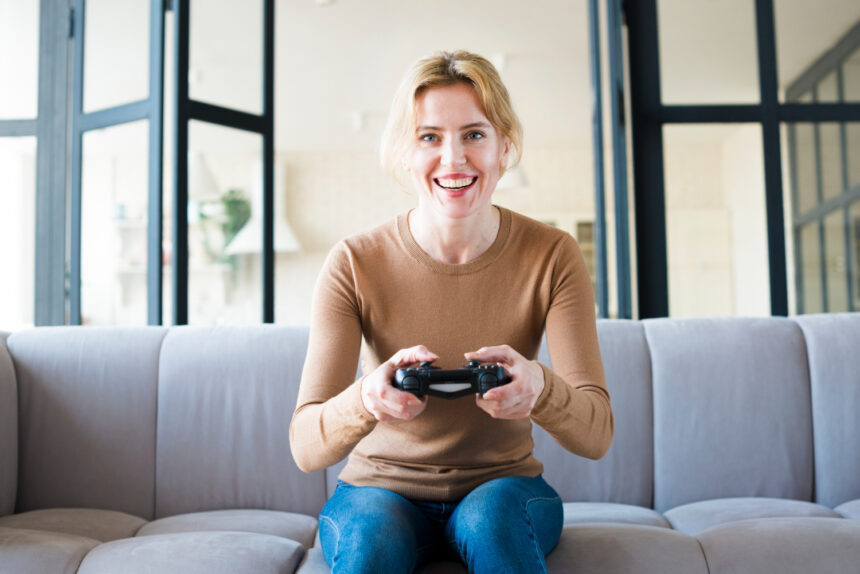
Social media platforms were the primary place where people gathered online for years. Today, however, many players log into their PlayStation not just to complete missions or unlock trophies, but to spend time with others. Multiplayer sessions often begin with a game objective and gradually turn into conversation. A cooperative raid, a sports match, or even a casual exploration session becomes a shared space where players talk about daily life, interests, and plans beyond the screen.
Interestingly, curiosity about teammates often extends beyond gameplay. During longer voice chats, players might exchange stories about where they live. And someone may jokingly look up what a typical Hungarian girl is like while learning about a teammate’s background, simply as part of a friendly cultural discussion. From there, conversations move naturally toward hobbies, routines, and personal experiences. Occasionally, a few players explore dedicated connection platforms outside gaming when friendships grow more personal.
From Matchmaking to Meeting Places
Originally, online multiplayer systems were designed for quick coordination. Players entered a lobby, completed a match, and moved on. Over time, communication tools changed that structure. Persistent friend lists, party chat, and recurring game nights gave players a reason to return not only for gameplay but for companionship.
As a result, many gaming sessions now resemble gatherings more than competitions. People log in even when they are unsure what they want to play. The goal becomes simple: spend time with familiar voices.
Unlike traditional social networks, this interaction is activity-based. Players are not passively scrolling; they are doing something together. That shared focus removes pressure. Silence is comfortable because everyone is engaged in the same task.
Gradually, the platform itself becomes a meeting place rather than a tool.
How Communication Tools Changed Player Behavior
Modern consoles quietly introduced features that mirror social platforms. Instead of public posts and comments, communication happens through real-time collaboration.
Key elements that reshaped behavior include:
- Party voice chat allowing long conversations during gameplay
- Persistent friend groups that meet regularly at scheduled times
- Cross-game communication so friends stay connected regardless of the title
- Shared media clips where players exchange moments and reactions
- Private groups and communities formed around interests or playstyles.
Because communication is immediate, reactions feel genuine. A laugh, a pause, or a surprised shout communicates personality more clearly than text ever could. Consequently, players begin to recognize each other not as usernames but as individuals.
The Difference Between Following and Belonging
Traditional social media encourages observation. Users follow updates, react briefly, and move on. Gaming communities operate differently. Participation is required. A cooperative game demands teamwork, timing, and trust. Over time, cooperation builds familiarity.
Importantly, familiarity leads to reliability. When players know each other’s habits — who strategizes, who jokes, who supports — they form expectations. Expectations create comfort, and comfort creates belonging.
The experience is closer to a weekly sports league than an online forum. Players show up because others are waiting for them. Their presence matters. Even missing a session may prompt messages asking if everything is okay. In this way, relationships deepen without formal intention.
Why Players Prefer Interactive Communities
The growing preference for gaming spaces over traditional networks stems from how people communicate in interactive environments. Conversations unfold naturally because attention is shared between dialogue and activity.
Players often appreciate:
- Less pressure to present a curated image
- Conversation flowing alongside a shared task
- A smaller group that encourages recognition
- Emotional reactions happening in real time
- Continuity through regular sessions.
Instead of constructing a public persona, players reveal themselves gradually. Trust forms through experience rather than self-description.
Shared Challenges Build Stronger Bonds
One unique quality of gaming communities is cooperative problem-solving. A difficult mission requires coordination, planning, and patience. Success depends on collective effort, not individual performance.
As a result, players experience situations that resemble teamwork in real life. They encourage each other after mistakes, celebrate achievements together, and adjust strategies collaboratively. These interactions produce genuine emotional investment.
The structure matters. A conversation during passive browsing may end at any moment. A coordinated effort, however, requires sustained attention. As players spend hours working toward a goal, they naturally talk about life beyond the game.
From Usernames to Friendships
Eventually, conversations expand beyond gaming topics. People discuss workdays, studies, or daily routines. They learn each other’s schedules and plan sessions accordingly. At this stage, the community stops being a collection of players and becomes a circle of friends.
Common developments include:
- Checking in with members who miss sessions
- Celebrating personal milestones together
- Organizing events outside the game environment
- Continuing conversations in messaging groups
- Maintaining long-term contact even after changing games.
The shift is subtle but important. The platform initiated the meeting, yet the relationship persists independently.
Digital Interaction Without Social Media Fatigue
Another reason gaming communities feel refreshing is their structure. Social media often presents an endless stream of information. Gaming sessions, by contrast, have a beginning and an end. Players join intentionally and leave satisfied.
Furthermore, the environment encourages presence. When playing, multitasking is difficult. Attention stays on the conversation and the activity simultaneously. This creates a focused interaction similar to spending time together in person.
Consequently, many players report feeling more connected after a cooperative session than after hours of browsing feeds. The difference lies in participation. Active engagement leaves a clearer emotional impression than passive observation.
A New Kind of Social Space
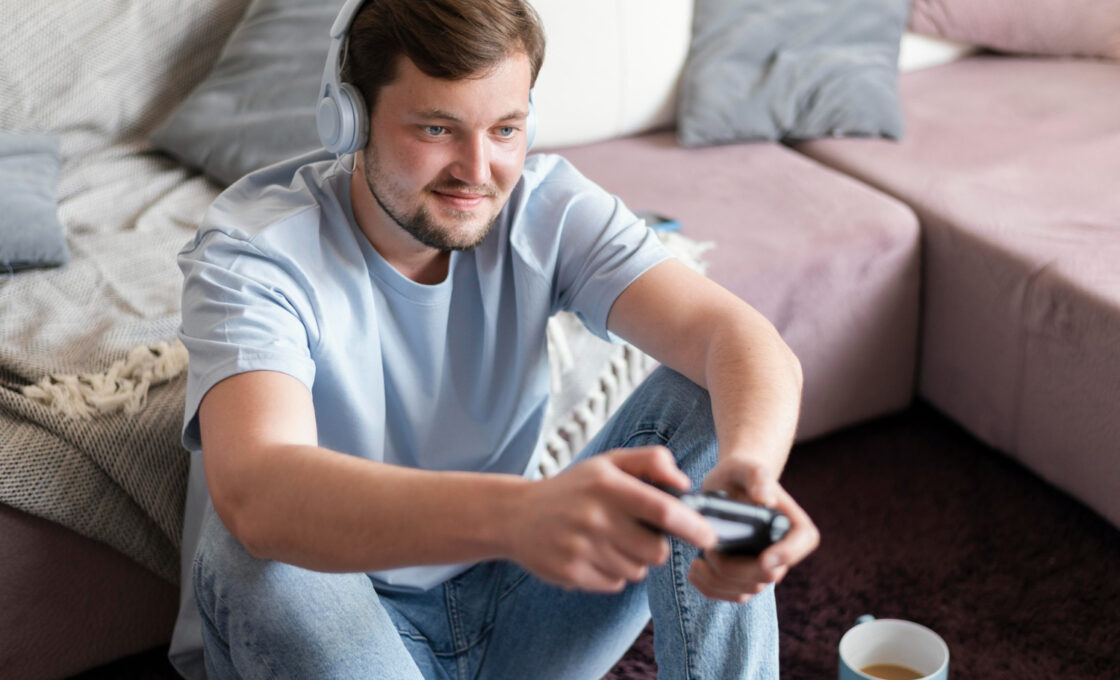
Gaming communities now function as hybrid environments — part entertainment, part social gathering. They allow people from different countries and schedules to meet regularly without travel or formal planning.
Importantly, these spaces do not replace traditional friendships. Instead, they supplement them. Some players maintain local friendships while also nurturing international ones formed through play. The platform becomes a bridge connecting individuals who otherwise would never meet.


