
Ah, NFTs – one of the most controversial technologies to come out of the internet since the dawn of crypto. Non-fungible tokens took the world by storm during the early 2020s, but nowadays, they’ve become nothing more than a footnote in the history books.
NFTs, for those who aren’t aware, are unique digital identifiers that serve as a sort of virtual “certificate of authenticity.” They are recorded using blockchain technology and are typically used to claim ownership over digital photos, videos, and files. Unlike crypto, NFTs cannot be duplicated or substituted, hence why they’re called non-fungible. If a digital marketplace for them exists, they can be sold and traded online, much like real-life objects.
In 2021, basically everyone and their mother was talking about NFTs. Celebrities like Snoop Dogg and Shakira were endorsing them, companies like GameStop were promoting them, and tech entrepreneurs were finding all sorts of ways to incorporate them into everyday life. However, as time went on, more and more people started to express fervent hatred for this technology, and for good reason, too.
NFTs Have Been Met With a Lot of Controversy Online
Many NFT collectors were widely criticized online for spending hundreds of thousands of dollars on what were effectively .JPGs, which anyone could easily download copies of. Likewise, others were derided for making NFTs using other artists’ content without their permission. There were various cases of pyramid, fraud, and Ponzi schemes associated with the technology, as well.
As stated previously, NFTs have become somewhat of a laughing stock on the internet these days, with many arguing that they are useful for nothing more than scams and rip-offs.
Now, what does this all have to do with PlayStation, and why in the world would anyone want Sony to implement this technology into their gaming ecosystem? Well, the answer to that is rather simple: NFTs could change game ownership as we know it.
Sony is Killing Physical Games and Game Ownership As We Know It
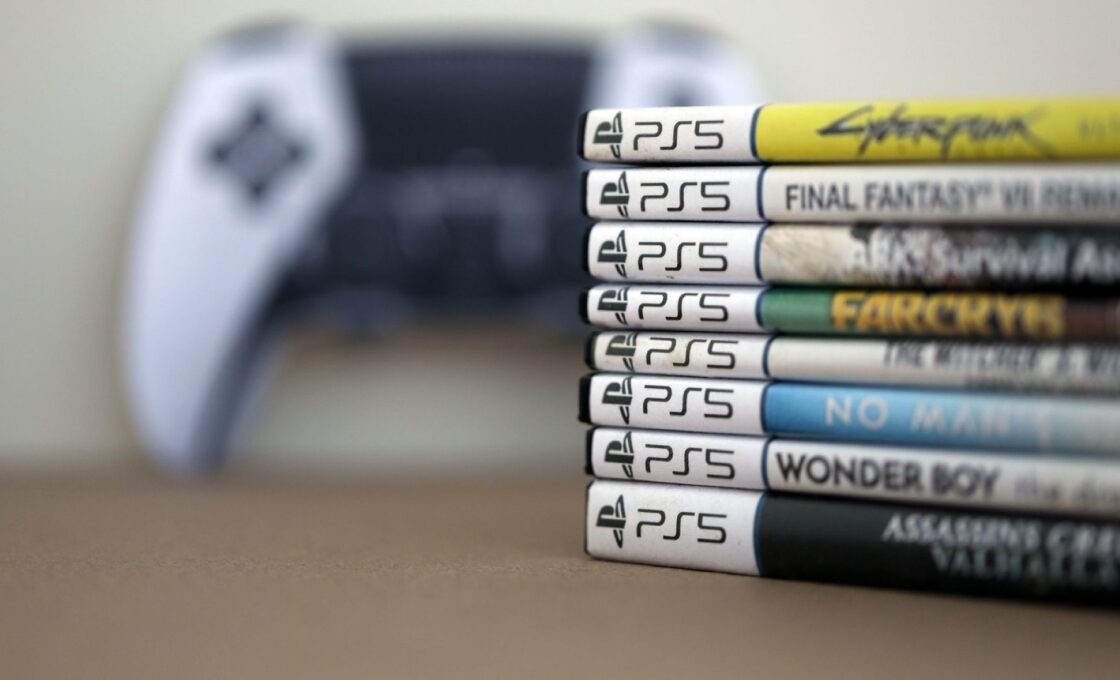
Unless you’ve been living under a rock these past few weeks, you’ve likely heard the news that Sony is looking to abandon physical media for its PlayStation consoles. Starting in January 2028, companies will no longer be able to manufacture physical discs for new PlayStation video games. This doesn’t only apply to Sony first-party titles, mind you, it applies to third-party titles, as well.
Unless Sony changes its plans, this means that, in the future, all PlayStation games will either be purchasable as digital titles on the PlayStation Store or as code-in-the-box releases at physical retailers. Discs will become a thing of the past.
The majority of gamers purchase everything digitally these days, so for most people, this may not seem like a big deal. However, with the death of physical media comes the death of game ownership (at least on consoles).
This may come as a shock to you, but you don’t actually own digital video games. You own a license to play said video game, but that license can be taken away from you at any time without your consent. Something like this can occur either because you break the Terms of Service on a platform, or because the publisher of a game decides its no longer interested in distributing its product anymore.
Digital Games Are Plagued With Various Issues in their Current State
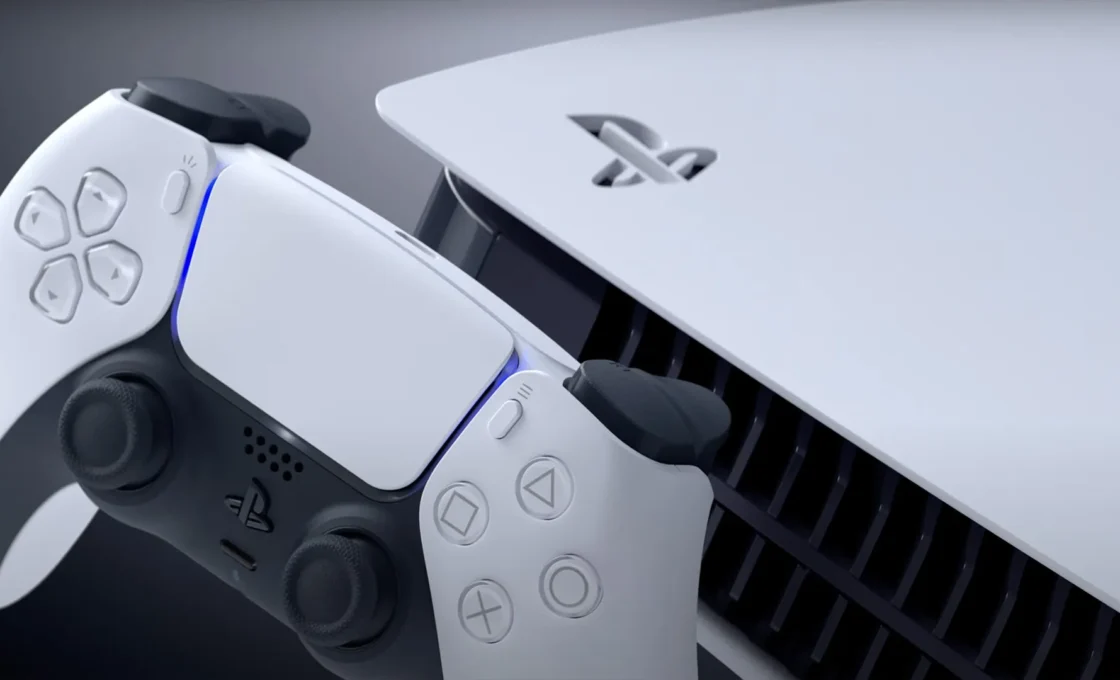
Another issue with digital games is that they cannot be traded or sold. With a physical copy of a game, you are always free to buy or trade it with someone else whenever you feel like getting rid of it. That cannot be done with a digital game, for reasons that should probably be obvious.
The thing is, though, NFTs could actually change the way we interact with digital video games. Imagine if you could buy or trade a digital game that you purchased on the PlayStation Store with a friend. This would, at least in theory, be possible if that game was an NFT. Better yet, Sony would not have control over secondhand sales of the game, assuming that the token could be sold on non-Sony-owned storefronts.
If digital games became sold as NFTs, you would basically be able to gain all the benefits of physical media, without any of digital media’s cons. You would genuinely be able to own a digital copy of a game, and you could use it however you’d like.
NFTs Could Give Gamers True Ownership of Digital PS5 Games
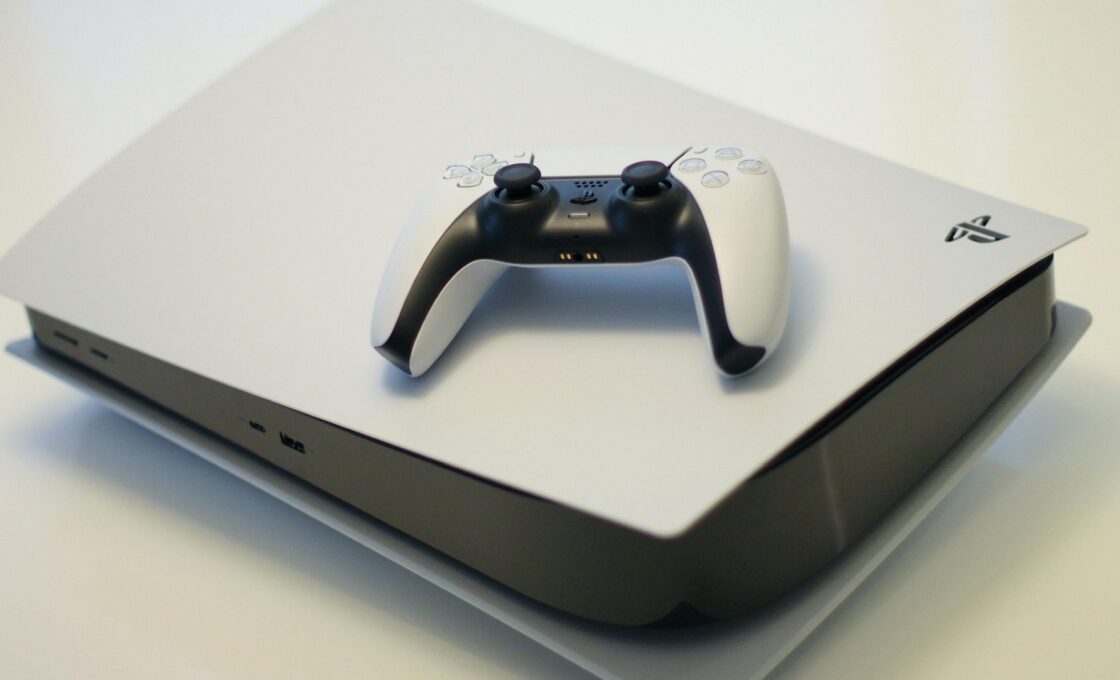
NFTs have been incorporated into video games in the past, but not in the manner that I’m describing. Some so-called blockchain games, such as 2017’s CryptoKitties, contain in-game assets that can be sold and traded online, but the games themselves cannot be purchased as NFTs.
A few companies have tried to sell movies and music tracks as NFTs, and while they haven’t been that successful, why hasn’t this been attempted with individual video games, as well? If physical media is going to die off, as Sony wants it to, then NFTs would at least be a way to retain some of the benefits of the format on a digital level.
The technology itself may be divisive, but if Sony were to start selling digital games as NFTs, many people in the gaming community would probably embrace this move wholeheartedly.


