


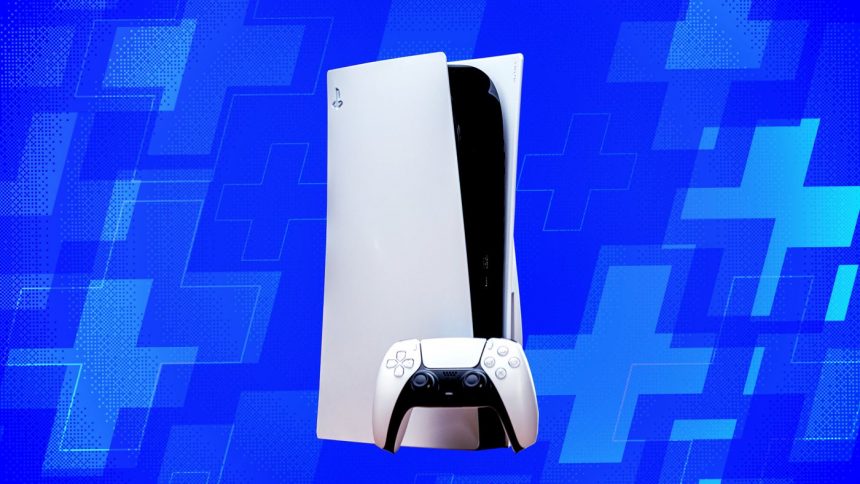
For decades, the PlayStation brand was synonymous with the tactile experience of browsing shelves, snapping open a plastic case, and inserting a disc. Today, that ritual is quickly becoming a niche hobby for collectors rather than the standard for the average consumer. The PlayStation 5 ecosystem has matured into a predominantly online environment. This is mostly driven by convenience, instant access, and a hardware strategy that increasingly treats the optical disc drive as an optional accessory rather than a key component.
This is not about how games are purchased; it symbolises a change in the relationship between Sony, the retailer, and the player. As high-speed internet becomes universal and internal storage capacities expand to meet the demands of 100GB+ install sizes, the roadblocks that once made physical media necessary have largely disappeared. Players are voting with their wallets, choosing the immediacy of a midnight pre-load over the uncertainty of retail stock levels.
Impact of Downloads on Traditional Retail Markets
The decline of the high street game shop has been predicted for years. Traditional retailers are facing an existential crisis as the direct method of distribution moves from the lorry to the server. The shelf space dedicated to physical PlayStation 5 software is shrinking, replaced by point-of-sale cards for digital currency and subscription top-ups.
This decline is the result of a whole realignment of consumer preferences rather than a lack of interest in gaming, as demand is stronger than ever. For the majority of UK gamers, the digital shopfront has become their main destination due to the ease of browsing the PlayStation Store from home and regular online deals that compete with physical clearance bins.
You can see the same pattern play out in the gambling industry. It wasn’t that people suddenly lost interest in going out; they just realised they had more options online. A physical casino can only fit so many tables and slot machines on the floor. Online trusted sites aren’t limited by space, which means several international casinos can offer hundreds of games, live dealers at any hour, and constant updates instead of the same layout year after year.
The transition has significantly changed the economics of video game ownership. In the past, the physical disc was a transferable asset that could be traded in, lent to a friend, or sold on the second-hand market to recoup costs. The move to digital licenses effectively kills the pre-owned market for newer titles, consolidating revenue streams directly back to the publisher and platform holder.
While this boosts profitability for companies like Sony, it removes a layer of consumer flexibility that has defined console gaming since the cartridge era. The inability to resell a completed game means that the initial purchase price is a sunk cost. This changes how players evaluate which titles are worth their money at launch versus which ones they will wait to play via a subscription service.
The hardware itself is driving this change. The availability and popularity of the Digital Edition PS5 have normalised the concept of a disc-free console. When a significant portion of the install base literally cannot play a physical disc, publishers have less incentive to print millions of copies.
This creates a feedback loop: fewer discs are printed, physical stock becomes harder to find, and more players are forced to download, further cementing the digital dominance. The retail sector is consequently pivoting towards merchandise, hardware peripherals, and collectors’ editions, acknowledging that the era of high-volume software sales on the shop floor is drawing to a close.
Exploring Security Risks in an Always-Online Ecosystem
As the value of a gamer’s library moves from a physical shelf to a cloud-based account, the importance of cybersecurity has increased. In a digital-first ecosystem, a player’s PlayStation Network account is not just a profile; it is the vault holding thousands of pounds worth of software licenses.
Losing access to this account due to a compromised password or a social engineering attack is far more devastating than losing a single physical disc. This centralisation of value makes gamers attractive targets for malicious actors, necessitating a much higher degree of digital hygiene than was required in previous generations.
The risks extend beyond the console itself. Many gamers look outside the official ecosystem for deals, searching for third-party keys or related digital services. Distinguishing between legitimate vendors and potential scams is critical. Whether players are searching for discounted game codes or exploring other forms of digital entertainment, sticking to official sites is the only way to ensure personal data remains secure.
Sony has responded to these threats by pushing two-factor authentication and passkey support, but the human element remains the weakest link. The “always-online” nature of gaming also introduces the risk of service interruptions.
While rare, a server outage in a purely digital household means a total inability to verify licenses or access content, stressing the fragility of an ecosystem where ownership is conditional on server connectivity.
Subscription Services Influencing How Players Access Content
The advancement of digital distribution has paved the way for the subscription model to become the dominant form of content consumption. PlayStation Plus, particularly in its Extra and Premium tiers, has completely changed user behaviour.
Instead of purchasing two or three blockbuster titles a year, players are paying a recurring fee for access to a rotating library of hundreds of games. This transition reflectsthe video streaming industry, where ownership is replaced by access. For many PS5 owners, the subscription fee is now viewed as an essential utility, as vital to the console experience as electricity.
The commercial success of this model is undeniable and is supported by recent sales data. It is no surprise that 83% of Sony’s PlayStation sales now come from digital downloads, a figure that continues to rise as broadband speeds improve and subscription libraries grow. This overwhelming majority share indicates that for the vast bulk of the user base, the concept of “buying” a game is evolving.
Players are increasingly willing to wait for a title to arrive on a service rather than paying full price at launch, forcing developers to rethink their monetisation strategies. The focus is moving towards engagement and retention, keeping a player subscribed for months, rather than just the initial point of sale.
This trend is further evidenced by the hardware adoption rates seen recently. The hardware base is massive, with reports showing PlayStation 5 consoles accounted for 62% of all console sales during the recent Black Friday period. A significant portion of these new owners are likely to bypass physical software entirely, immediately subscribing to PlayStation Plus to occupy their new machines with games.
This creates a powerful ecosystem lock-in; once a player has invested months of progress and subscription fees into a digital library, the barrier to switching platforms becomes insurmountable. The subscription model essentially secures the player’s loyalty and wallet for the long term.
Expectations for Cloud Gaming and Connectivity
The logical endpoint of this digital transition is the mass adoption of cloud gaming. While local hardware rendering on the PS5 remains the gold standard for performance, Sony’s continued investment in cloud streaming technology suggests a future where the console itself might eventually become redundant.
Cloud streaming is a value-add feature for high-tier subscribers, allowing them to trial games without downloading huge files. However, as internet infrastructure across the UK and Europe continues to upgrade to full fibre and 5G standards, the latency gap that has historically held cloud gaming back is narrowing.
The implications for the next generation of hardware are significant. If the processing power resides in a data centre rather than under the TV, the need for expensive consumer hardware diminishes. We are already seeing hybrid approaches where high-fidelity assets are streamed to supplement local processing.
This reduces the burden on storage drives, which are currently struggling to keep pace with the ballooning size of AAA titles. A fully cloud-integrated ecosystem would allow for worlds of infinite complexity, unconstrained by the plastic box in the living room, provided the user has the bandwidth to support it.