


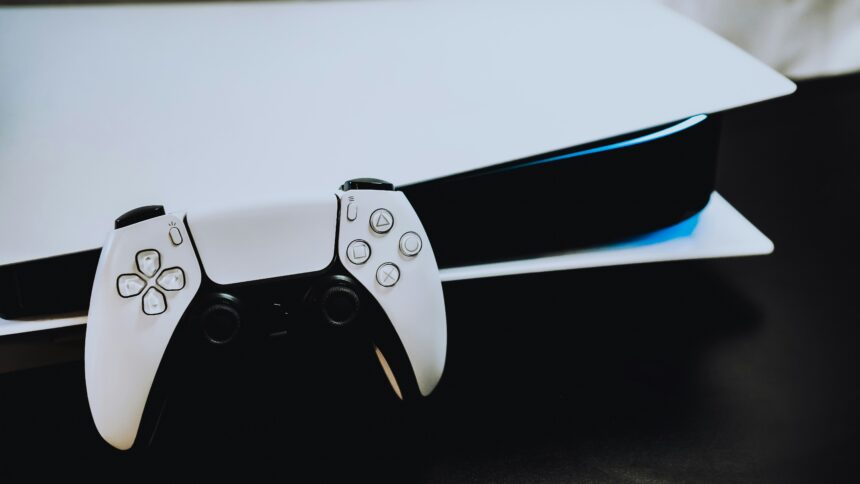
PS5 players don’t stop playing when the console switches off. The same habits carry onto phones, where fast, smooth sessions now shape how gaming and casino play fit into everyday life.
Spend a few hours on a PS5, and you get used to things working properly. Games load fast, controls react straight away, and nothing drags. Pick up your phone later, and you don’t suddenly lower those standards. You still want it to run clean and respond fast, even if you’re only playing for ten minutes.
The Experience Players Are Used to Now
Modern PS5 games have trained players to expect a certain level of polish. Menus don’t lag. Inputs don’t hang. You press something, and it happens. That carries across genres as well, whether it is a big open-world title or something more focused. The baseline is simple: the game works, and it works straight away.
Story-driven titles push that even further. They keep you locked in for hours, not because of complexity, but because everything connects properly from one moment to the next. The best narrative PS5 games to play before you die show how much weight gets placed on pacing and flow. Once that becomes normal, anything slower or clunkier stands out immediately.
The Same Habits Showing Up on Smaller Screens
That mindset doesn’t stay tied to one device. A lot of players move between screens during the day, and the phone fills the gaps between longer sessions. It might be ten minutes here or a quick check there, but the expectation stays the same. Things should open quickly and respond without delay.
The numbers back that up. Around 10.84 million people in the UK were gaming in 2023, and that figure is projected to reach 11.56 million by 2027. About 34% already treat mobile as their main gaming device. That is not a side habit. That is a large part of how people are playing right now, even for players who still spend time on a console in the evening.
Always Connected Even When the Console Is Off
The console might be off, but the interaction doesn’t stop. Messages, updates, clips, and discussions keep things moving in the background. Players dip in and out without thinking too much about it. It becomes part of the routine.
That behaviour ties into the way gaming communities have grown. Spaces that began around shared play have become full-time hangouts, where people check in throughout the day rather than only during a session. The idea of gaming communities becoming the new social networks fits right into that pattern. It is less about logging in for a single block of time and more about staying connected in smaller bursts.
The Same Loop Built for Touch
Short sessions, quick outcomes, and fast feedback already define a lot of mobile play. That lines up with how other platforms have been built as well. The format changes, but the loop stays familiar. Tap, play, result, repeat. It fits into the same gaps in the day that mobile gaming already fills.
That is where players start checking which Online Casinos actually work properly on a phone. Not every site holds up once you move off a console or a laptop, so there is a bit of trial and error involved. Casino.org lays those options out in one place, showing which ones run cleanly on mobile, what games are available, and how the bonuses are set up for shorter sessions. It gives you a quick way to narrow things down without bouncing between a dozen different sites.
What stands out once you start comparing is how much variation there is between platforms. Some load instantly and run without issues, while others lag or cut corners on layout. Seeing those differences side by side makes it easier to spot which ones are actually built for mobile rather than adapted as an afterthought.
The Scale Behind What Players Are Already Doing
The size of the market shows where this activity is happening. UK gambling revenue reached £12.6 billion in the latest reporting period, with online casino play bringing in £5 billion of that total. That segment alone grew by 15% year-on-year, which points directly to digital usage rather than physical venues.
Those numbers sit alongside the growth in mobile gaming, not separate from it. Players already using their phones for games can move to other formats with little friction. The behaviour lines up, and the platforms are built to match it.
It Does Not Feel Like Switching Anymore
Moving between a console and a phone used to feel like stepping down. That gap has narrowed. The same expectations carry across both, and the same habits show up in different places during the day.
A longer session still happens in front of the TV, but the rest of the time gets filled in smaller bursts. Different screens, same approach.


