


PS5 players are not choosing games based on trends alone. Their preferences are shaped by how responsive and uninterrupted a game feels. Open world travel is faster, and shooters feel tighter due to stable performance and precise controller feedback.
This behaviour extends beyond traditional console titles, as many players also engage with slots online alongside standard games. Titles such as Hyper Joker Gold or Big Bass Splash are among the more popular picks for UK players, largely due to their smooth animation and continuous action.
Games like Elden Ring, Call of Duty: Warzone, and Spider-Man 2 succeed for different reasons, but all reflect the same expectation of speed, clarity, and fluid gameplay.
Hardware Does More Than Improve Games
The PS5 SSD has quietly shifted player expectations. Games with interruptions now feel outdated. In Ratchet & Clank: Rift Apart, switching between dimensions takes less than a second. That removes friction entirely. Returning to games with noticeable loading between areas feels slow, even if the core gameplay remains strong.
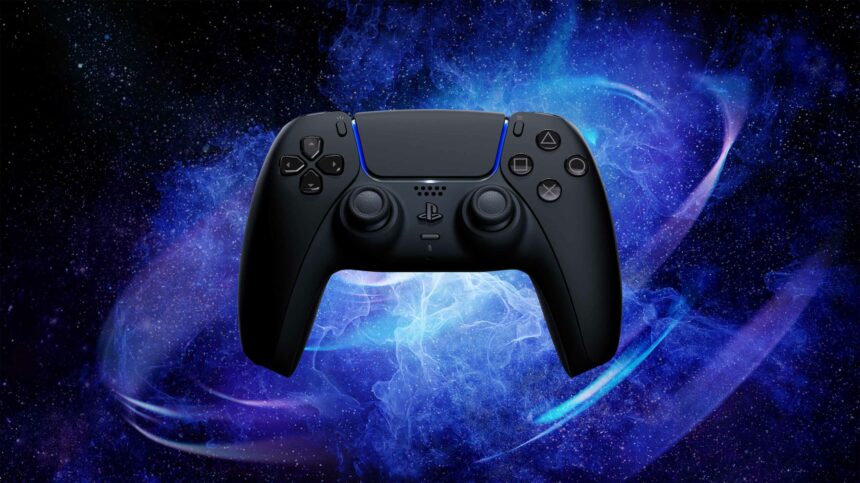
DualSense introduces another layer. In Returnal, the trigger uses two pressure points tied to firing modes. Players are not navigating menus. They are interacting directly with mechanics.
In Gran Turismo 7, braking resistance is felt through the controller, which affects how corners are approached. These features do not simply add immersion. They favour games built to use them properly. As a result, players gravitate towards titles that make full use of the hardware.
Open Worlds Work Better Without Interruptions
Open world games are not new, but PS5 changes how they are experienced. In Spider-Man 2, traversal is fast enough that players rarely rely on fast travel. Movement itself becomes part of the gameplay rather than a transition between objectives.
Earlier open world titles often relied on downtime between activities. On PS5, that gap is reduced. Horizon Forbidden West layers activities across the map, so movement rarely feels empty. Each direction offers something immediate.
Elden Ring takes a different approach by removing guidance rather than speeding it up. Players are not directed towards objectives. They uncover them naturally. This works because the system maintains performance during exploration. These games succeed because they maintain flow without interruption.
Multiplayer Games Fit Modern Play Habits
Not every session is planned. Many players start a game without knowing how long they will play. Multiplayer titles accommodate this better than most. Call of Duty: Warzone allows players to enter, complete a match, and leave without disrupting progress.
Fortnite builds on this with regular updates that refresh attention. New modes and events prevent stagnation. The experience does not remain static, so players return frequently. EA Sports FC 24 takes a different route through competition. Matches are short, but progression systems extend engagement over longer periods.
These games are not popular solely because they are social. Their structure suits flexible play. A session can last minutes or hours without issue.
Story-Driven Games Rely on Presentation
Narrative games remain relevant because presentation has improved significantly. In The Last of Us Part I, subtle facial movement carries emotional weight. Dialogue is not over-explained. The detail allows scenes to feel more natural.
God of War Ragnarök blends storytelling with gameplay without visible transitions. Combat, exploration, and narrative sequences connect seamlessly. This consistency keeps players engaged.
Final Fantasy XVI focuses on scale. Large sequences run smoothly without breaking immersion. These games appeal to players who prefer a structured experience with a clear progression path.
Short Sessions No Longer Feel Limited
Short-session games are no longer seen as lesser experiences. Rocket League delivers full matches in under ten minutes without reducing intensity. Each round has a clear beginning and end.
Astro’s Playroom uses short levels built around focused mechanics. There is no unnecessary padding. Players can engage without committing extended time.
Fall Guys encourages repeated attempts through quick rounds. Failure does not carry long-term impact, which makes returning immediate. These games suit players who prefer flexibility without sacrificing engagement.
Player Lifestyle Shapes Game Choice
Game preference often reflects how predictable a player’s schedule is. Someone with limited time is unlikely to begin Elden Ring casually. That type of game requires continuity and focus. Shorter formats such as EA Sports FC or Rocket League fit more easily into shorter sessions.
Competitive players tend to favour games where improvement is measurable. Ranking systems and performance tracking provide clear feedback. Others avoid that pressure and prefer exploration or narrative-driven titles.
No single genre dominates because players approach gaming differently. Preferences align with time, intention, and the type of engagement they want.
What PS5 Gaming Preferences Really Come Down To
PS5 does not just raise technical standards. It quietly resets what players are willing to tolerate. Delays, rigid structure, or unresponsive mechanics stand out more than they used to. In contrast, games that feel immediate and consistent tend to hold attention longer, regardless of genre.
This is why choices vary so clearly. Some players return to Warzone for quick, repeatable sessions. Others invest time in Elden Ring, where progress depends on focus and patience.
Titles like God of War Ragnarök sit in between, offering a defined experience without sacrificing momentum. The preference is not about what is objectively better. It comes down to how well a game fits the way someone wants to play at that moment.


